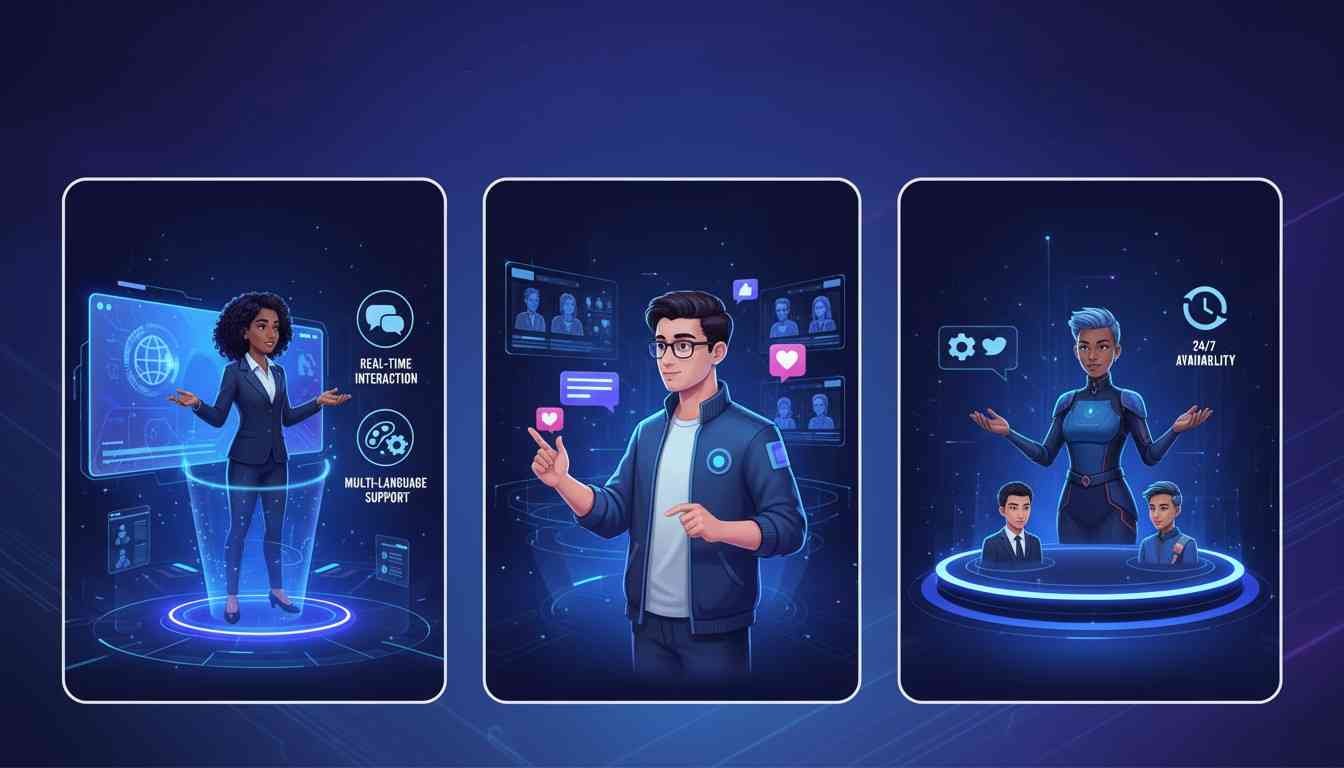
Virtual events are no longer experimental add-ons — they’re central to how companies, conferences and creators reach audiences around the world. But a dry slideshow and a talking webcam can’t always deliver the level of engagement organizers want. That’s where AI avatars come in.These digital presenters can host shows, do demos, translate stuff live, and make big online events look great. If you’re running events and want to grow, keep your brand consistent, and make things easier, avatars are a fast and cool way to do it.
What to think about when picking an avatar tool:
Picking an avatar platform is both technical and creative. You need good animation and lip-syncing, but also solid language support, simple script changes, and options for live chats or recorded stuff.Integration with event platforms, moderation controls, data privacy policies and cost are equally important — a solution that dazzles on a demo may stumble under the demands of a three-hour live stream or a global, multilingual audience.
Synthesia: the mainstream business option
Synthesia has become the default name many event producers mention when they talk about avatar video. Built for enterprise communications and large-scale content creation, the platform offers a library of ready avatars, support for over a hundred languages, and a studio that turns written scripts into polished presenter videos. Synthesia’s pricing structure includes starter tiers aimed at creators as well as enterprise plans for big teams, which makes it easy for organizations to test the technology before committing. The company has also drawn attention for recent industry moves — for example, a licensing agreement to improve model training and avatar realism — that underline how fast this space is evolving.
D-ID and HeyGen: photo animation and expressive avatars
For hosts who want particularly expressive or photo-based avatars, D-ID has pushed the envelope with a studio focused on animating images into speaking agents and creating “digital people” with a surprisingly human range of expressions. Reviews and roundups in 2025 have placed D-ID among the top avatar generators for marketing and interactive experiences because of its mix of creative control and realism. HeyGen (also often compared with D-ID) has emphasized scale and enterprise distribution, pitching itself to teams that need multilingual delivery and robust asset management for repeated events. Both platforms are good choices when the event’s personality — a recognizable avatar or a branded virtual speaker — is central to the experience.
Colossyan and Elai: fast production for content pipelines
If your event program depends on churning out many short segments — speaker introductions, sponsor reads, localized recaps — platforms like Colossyan and Elai can be especially useful. These tools focus on text-to-video workflows that let organizers create dozens or hundreds of clips programmatically. That speed is ideal for virtual conferences that require consistent presenter voices across multiple sessions or for companies that want local language versions of the same message. In practice, these platforms reduce the need for studio time and the logistic cost of coordinating remote talent.
Hour One and similar “virtual presenter” specialists
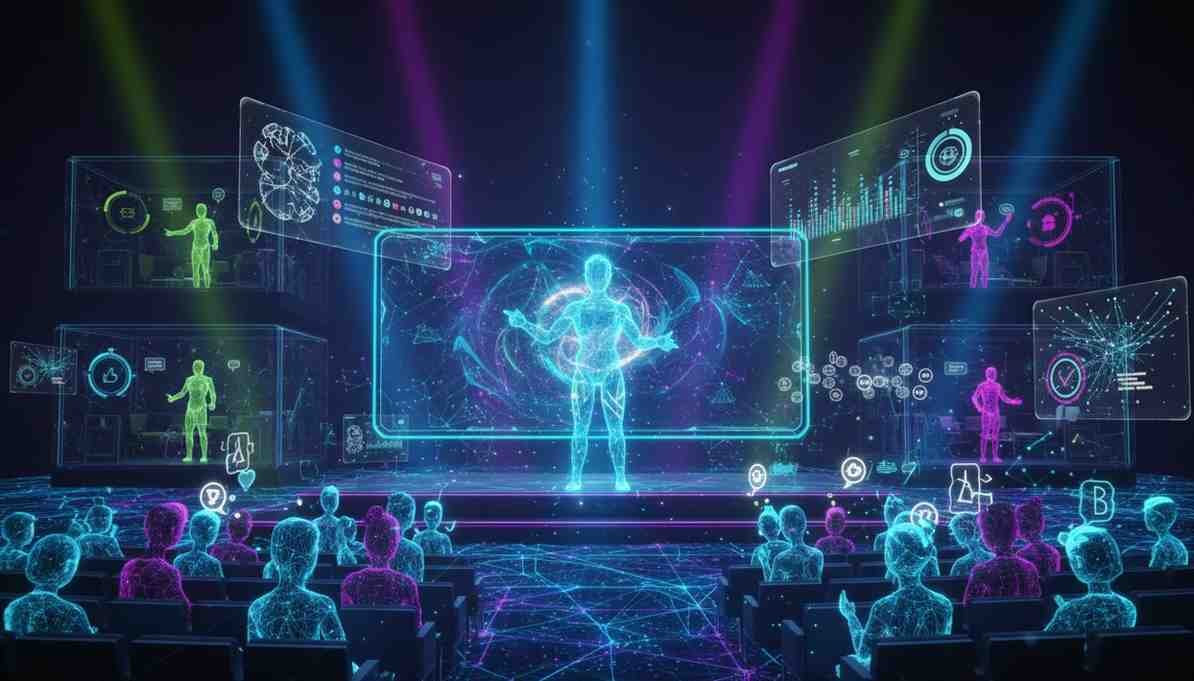
Hour One and a handful of like-minded services have carved out a niche by combining ready avatars with script-to-screen tools aimed at business use cases such as training, sales enablement and event hosting. Their promise is simple: upload your script, pick a professional avatar and deliver a near-broadcast result within minutes. This model is great for virtual events like product demos or executive addresses that need a professional look. It saves time and money by skipping the need to film actual presenters.
Real-time needs: live avatars and interactivity
Many virtual events now demand interactivity rather than static playback. Some platforms support live avatar hosting, where text or voice inputs are converted to avatar speech in real time and can react to audience Q&A. This capability remains technically harder than producing pre-recorded avatar videos because it requires low-latency processing, robust moderation and clear fallback plans if network or AI hiccups occur. For event planners, it’s a trade-off: Live avatars make things exciting but take extra prep, rehearsals, and backup plans.
Ethics, copyright and trust
With avatar tech getting real, we need to talk about consent and transparency. Synthesia’s trying to do things right with data and policies. Still, if you’re using avatars, get permission for any faces you use. Tell people what’s fake and don’t use avatars for touchy subjects without thinking it through. People need to trust you. Messing up here can trash your brand way faster than any tech problem.
Making the right choice for your event
There is no one perfect avatar tool; the right platform depends on scale, style and technical constraints. Small teams may favor low-cost, template-driven solutions that offer quick turnaround, while large conferences might invest in enterprise platforms with localization, analytics and API access. A sensible approach begins with a pilot: run a single sponsored segment or a session intro through your chosen avatar provider, gather audience feedback and measure production overhead. From there you can expand avatar usage where it adds measurable value rather than adopting it simply because it’s new.
In short: Avatars should be tools, not replacements
AI avatars change virtual events by helping presentations, making messages local, and keeping brand looks the same. But, they work best when they back up what people plan instead of trying to do it all themselves. Good avatars let you concentrate on what you’re saying and who you’re talking to. Also, tech deals with boring production stuff.For event hosts ready to experiment, the current crop of tools—each with its strengths in realism, speed or enterprise readiness—makes it easier than ever to put a confident, polished face on your next virtual gathering.