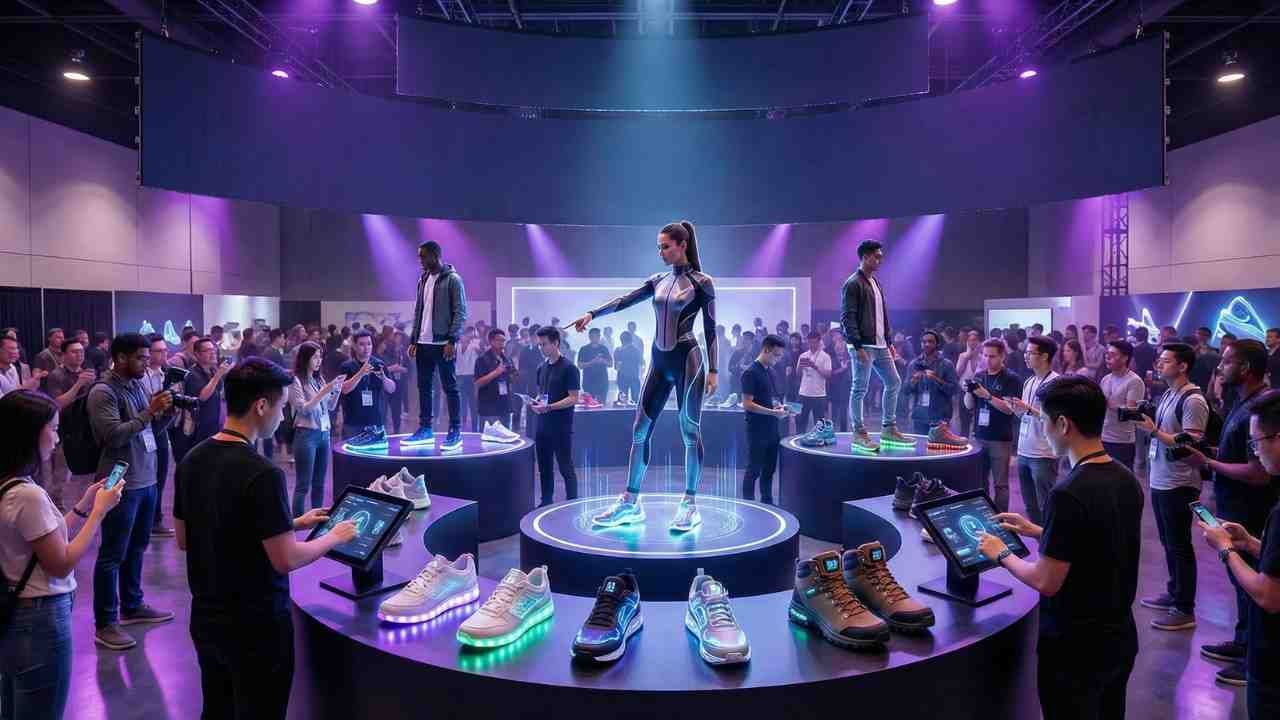
AI is changing our phones, homes, you name it. Now, it’s moving into our shoes. Yeah, those shoes on your feet. Companies are trying out smart shoes that track how you move, check your health, help your posture, and maybe even make you better at sports. These shoes use sensors, coding smarts, and good materials to get how you walk and what your body needs, like, right now. As things move forward, AI shoes are fast becoming a really interesting thing you can wear.
How AI Makes Shoes Smart
AI shoes use sensors, tiny computers, and software to grab info and figure it out. The sensors keep an eye on your movement, pressure, balance – that sort of thing. AI looks at all of this and gives you tips, turning normal shoes into your own personal coach. It’s like those fitness trackers or watches, but the shoe readings are better because they’re right there on the spot. AI learns as you go, so the more you wear the shoes, the smarter they get.
Why People Like AI Shoes
AI shoes are becoming a thing since folks are into wearable gadgets that track their fitness and boost their performance. They want stuff that keeps them going, stops them from getting hurt, and tells them about their bodies. Unlike normal shoes, AI ones can give you info right away that you used to only get in labs or from doctors. Runners can see how long their steps are and how their foot hits the ground. Gym folks can get better balance tips, and regular people can see how many steps they take or how many calories they burn without needing something else to wear. As folks care more about fitness, AI shoes are becoming a normal part of living smart.
AI Shoes for Sports and Working Out
Athletes can gain the most from AI shoes. Runners worry about doing things just right without a trainer, but AI shoes can help by checking how hard you hit the ground, your pace, how your foot lands, and if you’re walking straight. They tell you right away – in your ear or in an app – how to walk better or not get hurt. Many smart shoes also have laces that tie themselves and padding that changes to how you move, giving athletes a training experience picked out just for them. For folks who just want to see how fit they are, AI shoes count steps, check speed, and show how well you walk, more accurately than wristbands because they’re right where the action is.
AI Shoes for Health and Getting Better
AI shoes are also helping out in hospitals. Doctors use them to see how people are doing after getting hurt or having surgery. AI shoes can find problems in how someone moves or balances, helping doctors figure things out faster. They can even see early signs of brain or muscle problems by watching how someone’s walk changes. People getting better from injuries can use real-time tips to keep good posture and avoid doing things that hurt them. Older folks, especially ones who might fall, can wear AI shoes that notice if they’re falling and warn them if they’re not steady.
How Smart Shoes Really Work
AI shoes have small but strong sensors inside. Some watch movement, some measure balance, some sense how your weight is spread, and some run smart math tricks. AI takes this info right away, but more complicated things are usually done with a phone app. The program turns the info into easy tips, like telling you if you lean too much or land too hard on your heels. Many AI shoes charge without wires and have batteries that last a while, so you can wear them every day. Some even learn how you walk and change the padding to make your feet feel better.
Problems with AI Shoes
Okay, so AI shoes? They’re not quite there yet. Making these shoes isn’t cheap; that’s why they cost so much, and some folks can’t buy them. The battery life isn’t great either; you’ll likely have to charge them every day if you use them often. Plus, some people worry about privacy cause these shoes keep tabs on where you go and your health stats. The sensors inside might not last if you wear them outdoors a lot. While these problems make it hard for everyone to start using AI shoes, companies are trying to make them cheaper, tougher, and easier to use.
What’s Next for AI Shoes?
AI shoes are getting closer to predicting injuries by checking how stressed your muscles and joints are. Shoes might even change themselves to fit your speed, where you are, or what you like. Smart maps that tell you where to go with vibrations could help people who can’t see walk around on their own. Even better, they could work with video game-like training programs, showing you how to fix your form as you work out. As AI gets better, shoes might become a key part of your health, sports training, and everyday life.
Why AI Shoes Are More Than Just a Trend
AI shoes are a big change in how we think about shoes and wearable tech. These feel great, help you play sports better, and keep an eye on your health – something regular shoes just can’t do. For athletes, they’re like coaches that are always there. For people getting better from injuries, they lend a hand. And for everyone else, they make it easy to see how active you are. Sure, they cost a bit and have battery life issues, but things are moving fast, so AI shoes are here to stay. As more people see how good they are, they’ll keep changing and shaping how we walk, run, and just live.