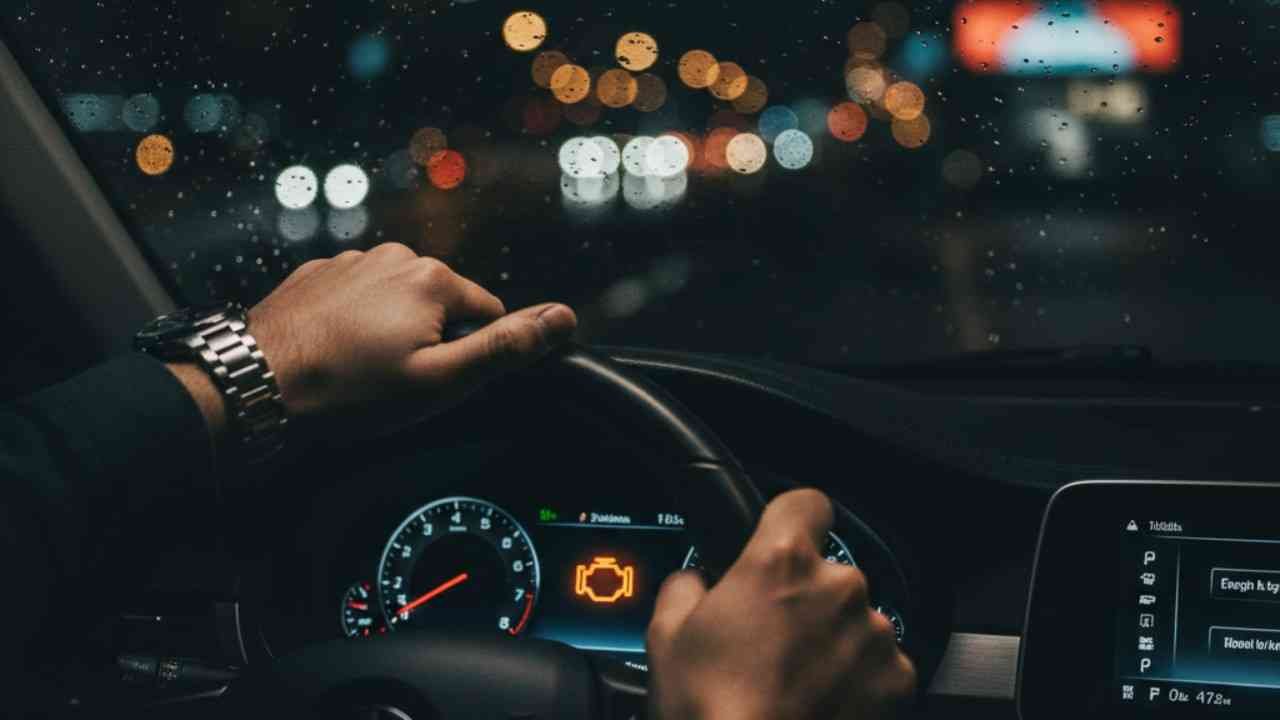
the check engine light is on. Usually, that means something needs a look. But if it’s flashing? That’s often a sign of trouble. Your car’s computer keeps tabs on how the engine runs and its emissions. Car companies put these systems in place to quickly tell you if something’s up.If the light’s just on, it could be something small like a loose gas cap or a bad sensor. But a flashing light? That usually says there’s an engine misfire. This is when one or more parts in the engine doesn’t burn fuel right. Then, unburned fuel goes into the exhaust and can mess up stuff back there. So, yeah, don’t ignore a flashing light.
Why a Flashing Light Is a Big Deal
A flashing check engine light means you should act because driving could cause damage. The main worry is the catalytic converter. It helps cut down on bad emissions, but it can be really costly to replace.When the engine misfires, fuel burns in the converter instead of the engine. This makes it super hot, which can wreck the converter. Replacements can be costly, depending on your car. Most car companies tell you to stop driving if the light flashes to dodge this kind of damage.Besides the catalytic converter, driving with this issue can hurt your spark plugs, ignition coils, and even more engine bits. Over time, it can get bad and the engine could give out.
What Makes the Light Flash?
Lots of things can make that light flash. Bad spark plugs are one common cause. They fire up the fuel in your engine, so if they’re bad, you get misfires. Ignition coil problems can do the same since they power the spark plugs.Bad fuel can cause it too. If the fuel injectors are dirty or broken, the engine might not get enough fuel. Then, it won’t burn right and the warning pops up.Sometimes, it’s sensors. Cars today use sensors to watch how things are going. If a sensor is off, the engine might not run well. Wiring or computer issues can trigger the light, but that’s less common.
What to Do Right Away
If the check engine light is flashing, slow down and take it EASY on the gas. Speeding or pushing the engine can make things worse. If you can, stop driving.Turning the engine off and back on might not fix it, but you can see if the flashing keeps up. If it does, get it to a mechanic ASAP. They can plug in a scanner and read the code to find out what’s wrong.Ignoring the light can turn a small fix into a huge bill. Acting fast can save you cash and keep your car from breaking down.
How to Avoid This Later
Doing regular maintenance is the best way to keep that light from flashing. Change your spark plugs when you should, keep the fuel system clean, and get your car serviced to cut down on misfires.Good fuel also keeps the engine happy. Bad fuel can leave deposits and make it less efficient. Stick to the service schedule your car company suggests so small stuff gets fixed before it gets big.Pay attention to stuff like rough idling, slow acceleration, or weird engine noises. These can show up before the light flashes.
Basically, if your check engine light is flashing, your car needs attention ASAP.It signals trouble, so finding the cause fast can save your car, money, and even keep you safe.