

We all need food to survive, right? It’s kind of wild how much gets wasted daily. Seriously, tons of good food goes straight to the trash worldwide, even when many people are hungry. It’s not just about the wasted meals; it messes with the environment, the economy and our natural stuff. When food rots in landfills, it makes gases that warm the planet. And to top it off, it sucks because we used water and energy to grow and ship that food.Getting a handle on food waste is a big deal if we want a healthier, greener future. This article goes over where wasted food comes from, why it’s such a biggie, and what we can do at home and in our towns to cut it back. It’s all about little changes that add up!
What is Food Waste, Really?
Food waste is basically when good, edible food gets tossed instead of eaten. It happens at every step. From when fruits and veggies growing in the farms, traveling in trucks to stores, getting shelved in grocery stores, or in the kitchen of restaurants, and also at our kitchen in the home. Sometimes, the food spoils before we can use it. Sometimes, people buy too much at the store, cook way more than they could finish, or get confused by those expiration dates. Also, a lot of people will toss fruits and veggies that look a little wonky, or not that pretty, even though they’re perfectly fine to eat. Spotting where waste starts is the first thing to do, if we want to actually do something about it.
Why Food Waste is a Huge Problem
Food waste is a really big deal and will affect the whole planet. When food ends up piled high in landfills, it rots without any air, and that makes methane, which is a strong kind of gas that makes the world warmer, a big part of the climate getting worse. Also, for every food item, there’s lands, water, people’s time and energy is spend on food growth and production. Imagine, we have used massive amount of water on a grain, then we didn’t eat it. Then all of those resources are for nothing. Lots of people struggle with not having enough food or the right kind of food. Cutting back on food waste isn’t just about saving some money; it’s about being fair, responsible, and making things last.
What Can One Do to Manage Food Waste At Home
Most of the wasted food comes from our homes, which means that you and I, we can make a big difference. One awesome move is to plan out your meals before you head to the store. When you know what you need, you don’t end up grabbing a bunch of stuff you won’t use. Keeping food stored the right way is also key. Some things need to be in the fridge, while others like to hang out in a cool, dark spot without being refrigerated. Knowing these little tricks is gonna help you make food last longer. Many people are confused about the labels that goes like best before, use by. Best before, use by means that the food might not taste its absolute best after that date, but it’s probably still safe to eat. Learning what these mean will help you not to throw away food that’s still good. And finally, get creative with leftovers to use them well. You can turn yesterday’s rice into awesome fried rice, or toss leftover veggies into soups. These small changes really make a difference on the long run.
Less Waste in Stores and Eateries
Restaurants, hotels, school cafeteria, all cook in big amounts and can make a lot of extra food. Serving just the right amount can really cut back on waste. Letting people pick smaller portions can mean less food left on their plates and not being used. Giving away extra food that’s already made to food banks or community meals is a cool idea, but you gotta make sure it’s safe. Some restaurants are beginning to track what they toss out, so they know which stuff they’re making too much of or which ingredient is thrown away a lot. When companies use data to change their food menu to meet the demands, then they will not only waste less food, but save more money.
What Farmers and Suppliers Can Do
Food waste gets rolling way before food reaches to our table. Farmers have to get rid of fruits or veggies that are safe to eat because the shape isn’t perfect, such as an irregular tomatoes. But these less-perfect fruits just taste same, and they have the same nutrients and goodness in them. Some places are beginning to have less-perfect markets to sale these produces in an affordable amount. Making storage during transporting, like refrigerating, better prevents any waste or spoilage that may happen during the travel. It is important, especially, to invest in better freezer and refrigerator technology in less economically developed countries, where the produce is lost to spoilage.
Composting: Waste to Resource
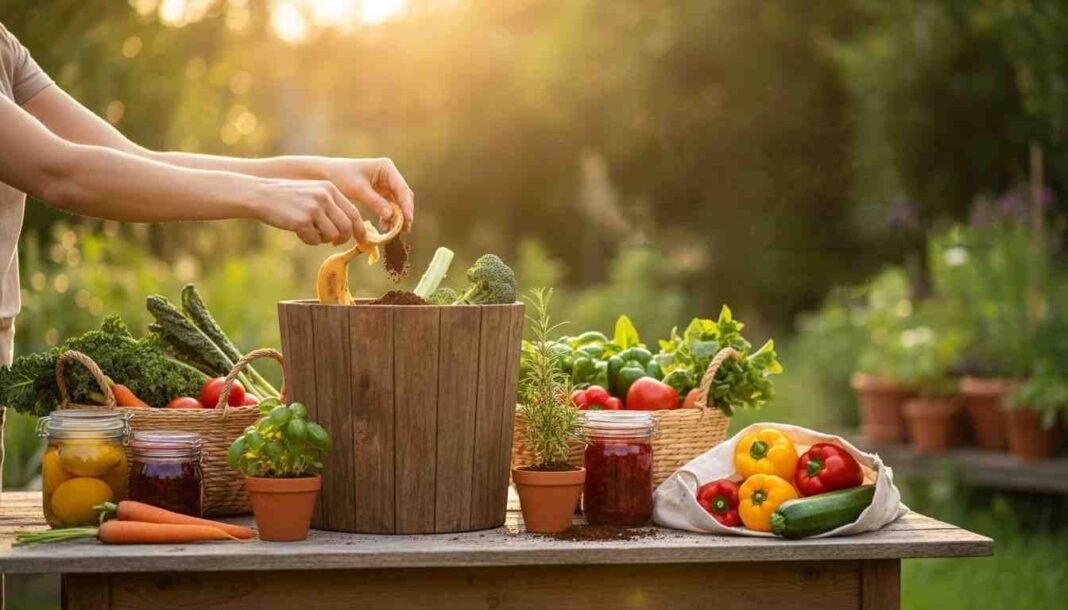
Okay, so even if we really try hard not to waste any food, we will still some eggshells, peels, and coffee grounds. Instead of tossing them to the landfills, you can make them compost, a resource with a lot of nutrients! Compost will give nutrients to your house’s soil, helping our plants to growth strong and lush, and also decrease how much chemical fertilizers we used. Composting has become easier as many cities and neighborhoods have launched initiatives to collect them, to make a nutrient soil. Composting our food scraps, we are closing the loop, and turning waste to something useful.
Town Effort to Bring Awareness
Handling waste isn’t a “one person’s” job. Local towns, communities, governments, and people should come and join hands together. Programs and campaigns can do a lot of good by training people about why wasting food can impact our world, and training how to decrease it. The local markets, schools, restaurants and other business or commercial places can take initiatives to lower and manage waste. A collaborative effort is more impactful than individual.
Toward a greener world
We can make our future greener and more sustainable if we make conscious decisions about how we handle food. Decreasing food waste will give us a healthier and more sustainable world. This process will ask all levels of participation from people, business, industries, agencies, and farms. The choice is ours to make.