
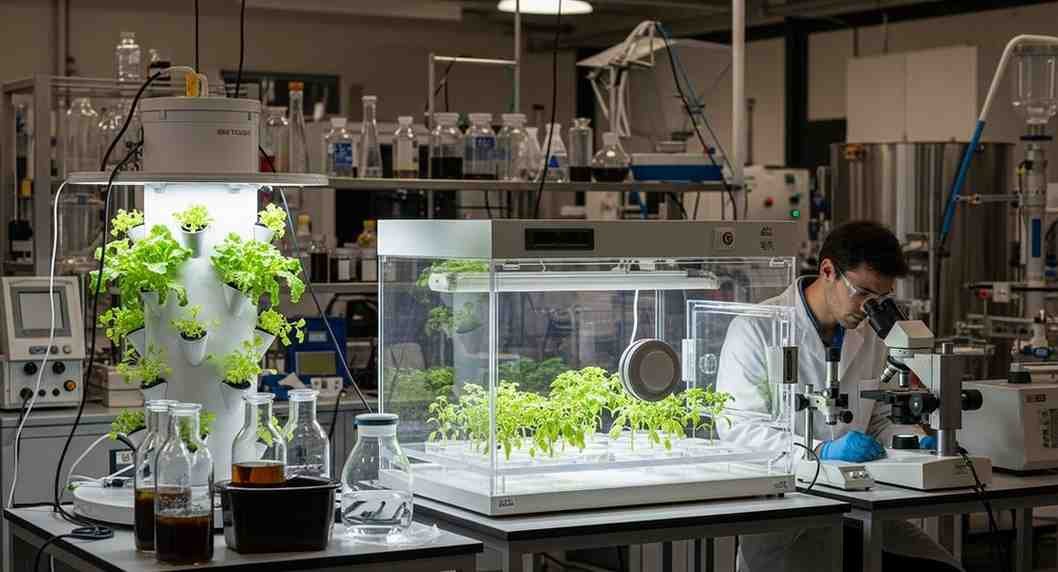

Think about a world where meat comes from a lab, veggies grow in indoor farms that scrape the sky, and meals get 3D printed with perfect nutrition, delivered by drone. It’s not a dream; it’s where food is headed.With the world population possibly hitting 10 billion by 2050, feeding everyone without wrecking the planet is a biggie. Climate change, not enough water, and limited land are making scientists and food companies rethink how we grow ,make, and eat food.Let’s check out how food tech will shape our future meals, the cool stuff behind it, and how it could impact the world.
Covered topics
1. Why We Need Food Tech
Today, the food system is stressed out. Old-school farming guzzles up 70% of the world’s water and causes over 25% of the world’s greenhouse gases. At the same time, many people are hungry and others are dealing with obesity.Food tech folks have a simple target: make more food with less stuff, while making it better for us and the environment.From lab-grown meat to AI farms, the race is on to make a food system that’s good for everyone for years to come.
2. Lab-Grown Meat: A New Protein?
One of the most talked-about things in food tech is lab-grown meat. Instead of raising animals, scientists grow animal cells in the lab. You get real meat without hurting animals or using tons of land.Companies like UPSIDE Foods, Eat Just, and Mosa Meat are in front of this. The U.S. even said okay to lab-grown chicken for sale in 2023.
What’s cool about lab-grown meat:
- Less land and water needed
- Fewer greenhouse gases
- No hurt animals
- Safer protein
Soon, you might see lab-grown burgers or fish at the store.
3. Plant-Based food: Green Protein Rises
Lab-grown meat is on its way, but plant-based food is already here. Companies like Beyond Meat and Impossible Foods use plants to make stuff that tastes and feels like real meat.These plant-based meats cook, and taste like beef but without the bad stuff for the planet.The next plant-based meals will go past burgers. Expect fake seafood, eggs, and cheese that taste like the real thing, all made with smart technology.
4. Vertical Farming: Up, Not Out
Imagine buildings full of crops — that’s vertical farming.These indoor farms grow plants in layers, using less water and no bug sprays. Since they’re inside, crops can grow all year, no matter the weather.Companies like AeroFarms, Plenty, and Infarm are building these farms in cities, now.
What’s cool about vertical farming:
- Food grows close to people
- Saves water and space
- Fresh crops year-round
Soon, stores might have mini-farms to grow lettuce or herbs right there!
5. Farming and AI
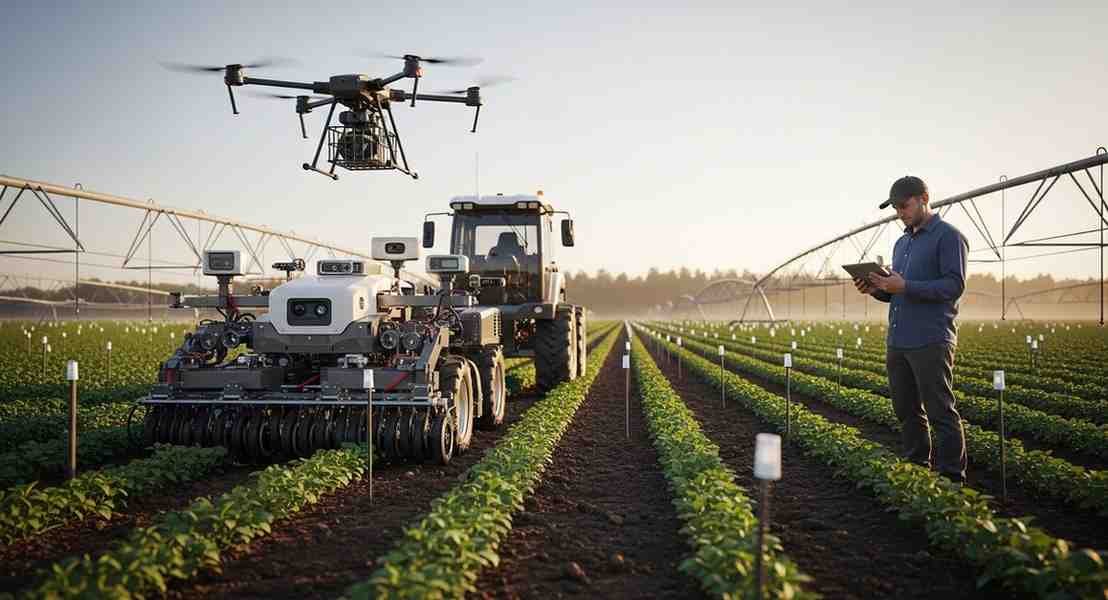
Future farms will use AI, robots, and data.Drones will check on crops, sensors will measure wetness of soil and AI will tell farmers when to water. This helps get the most crop while wasting less.Some farms are trying out driverless tractors guided by GPS and AI.These systems help fight climate change by using less water and bug spray.
6. 3D-Printed Food
Yep, 3D printers are now cooking. They use food to make complex meals.NASA has even made 3D pizzas for astronauts.Later, you could even have your 3D printer whip up a meal that’s perfect for your vitamin needs.
7. Cutting Food Waste
Each year, food gets wasted. Food tech wants to fix this.AI apps and smart fridges check expiration dates. Companies are making packaging that changes color when food goes bad.Turning food waste into new products is also a big thing. Coffee waste becomes flour, and fruit peels become snacks.These things could help the world a lot.
8. Other Proteins: Bugs and Algae
New food is not just fake meat, but new protein too.Bugs have protein, vitamins, and minerals. Companies sell cricket flour and mealworm snacks.Another option is algae. They grow fast and have protein and omega-3s.By using other proteins, we can stop hurting animals and still get food.
9. Food Delivery and AI
Food and tech are changing how we eat. Getting food delivered is becoming super normal fast.AI helps plan what you want to eat, gets it to you faster, and cuts down on waste.You can even see where your food came from. That makes the whole thing better.
10. What's Next
Food tech has challenges:
- Cost: Lab-grown stuff is pricey.
- Will people eat it? Some don’t like the idea of fake meat or bugs.
- Rules: Getting approval can take too long.
- Energy: Farms and food printers need energy.
To fix this, we need teamwork and awareness.
11. Our Future Plates
What will we eat in 2050? Experts say our food will be good for us. You might have:
- Lab-grown steak
- Plant-based cheese
- Bug snacks
- 3D desserts
- Veggies from a farm
This future depends on balance — using tech to make food that feeds everyone without hurting the earth.
Conclusion
Food tech is changing how we grow, make, and enjoy food.From labs to AI printers, things are changing greatly.Our future meals will be good for the earth.How we eat tomorrow depends on what we do today — and food tech could be what the planet needs.