

POTS is getting a lot of attention lately, and for good reason. It’s a disorder that messes with your body’s automatic functions. As people become more aware of POTS, there’s a bigger need for devices that can help patients keep tabs on their symptoms and figure out how to handle them.POTS is different for everyone, but many patients find that it messes up their day-to-day lives and makes regular stuff pretty hard. That’s where tech comes in. It gives people tools to get a better handle on what’s happening in their bodies and feel more in control. These days, you can find all sorts of gadgets that help you keep an eye on your heart rate, blood pressure, and POTS episodes. And the best part? As tech gets better, these devices are becoming easier to use and find.
Understanding POTS and Why Medical Devices Matter
POTS is a type of dysautonomia, which means your autonomic nervous system has a hard time keeping things like blood flow and heart rate in check. One of the main things you’ll notice with POTS is that your heart rate shoots up when you stand up. You might also feel dizzy, tired, faint, or like your brain is in a fog.Since symptoms can change a lot during the day, people with POTS need to be able to keep track of what’s going on so they can figure out what sets them off and how their body reacts. That’s why devices are so important. These digital gadgets can track your heart rhythm, how hydrated you are, and changes in blood pressure. This gives both you and your doctor a clearer of what’s happening. Without this kind of info, dealing with POTS is way harder. But with the right tools, you can spot patterns and make changes to your lifestyle that actually help.
Heart Rate Monitors and Why They Are Essential
Keeping track of your heart rate is key when you have POTS. A lot of patients see their heart rate jump when they go from lying down or sitting to standing. Things like smartwatches, fitness trackers, and chest straps can help you keep an eye on your heart activity.These monitors give you readings all the time and can even alert you if your heart rate goes too high. Plus, a lot of them can connect to apps on your phone, so you can see your heart rate trends over days, weeks, or even months. This info is super useful when you go to the doctor because it gives them a good look at what’s been happening. These gadgets are great because they’re easy to use. If you have POTS, they can help you keep track of your heart and avoid sudden crashes, fatigue, or fainting.
Blood Pressure Monitors Designed for Frequent Readings
Blood pressure can change fast if you have POTS, mostly when you change positions. A lot of people use blood pressure monitors at home to get quick readings. You can still find the regular cuff monitors, but the newest ones have features like automatic memory, digital screens, and phone connectivity.Some devices can also track orthostatic measurements, which means they can record blood pressure differences between lying, sitting, and standing. Keeping up with your blood pressure helps people figure out how things like water intake, meds, or activity affect their blood pressure during the day.
Compression Devices That Improve Blood Flow
So, if you’re trying to manage POTS symptoms and want to avoid anything too intense, compression gear can be a good call. Think waist-high tights, belly binders, or even just calf sleeves.They help get your blood flowing and stop blood from pooling in your legs when you’re standing. Newer compression devices use controlled pressure to help get the blood flowing in your legs. People use them at home to deal with feeling lightheaded, tired, or swollen. They aren’t a cure, but doctors suggest them because they can make life better and help you stay upright longer without feeling bad.
Wearable ECG and Rhythm Monitoring Devices
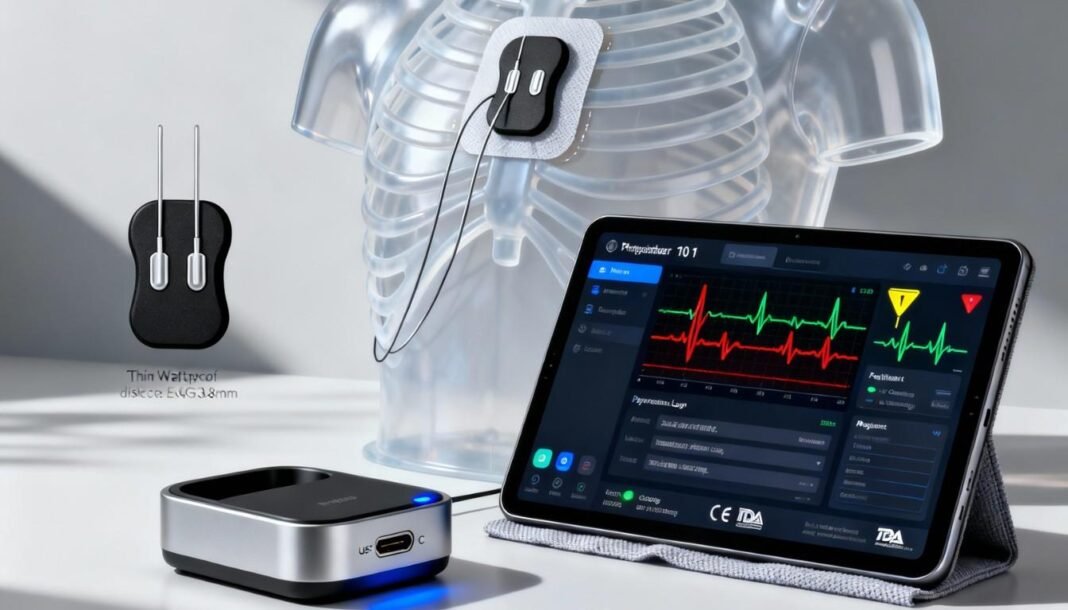
POTS mainly messes with your heart rate, not really the heart itself. Still, some people get heart flutters, chest pain, or a pounding heart. ECG wearables can show your heart’s electrical activity and spot stuff that might be missed in a normal exam. Some can spot things like a fast heart rate or irregular rhythms. Wearable ECGs help patients know the difference between POTS symptoms and other heart problems that might need care. They can also make you feel better because you can see what your heart is doing.
Hydration and Electrolyte Monitoring Innovations
One of the things doctors suggest for POTS patients is to stay hydrated. If you get dehydrated, your symptoms can get worse fast, and your heart rate can go up while your blood pressure goes down. You can even find smart water bottles that track how much you drink and sensors that can guess how hydrated you are by checking your skin. For people with POTS, these things can help you stay hydrated without having to guess. Some devices can also track how many electrolytes you’re getting, which helps your body keep the right salt levels for good blood volume and stability. This tech can help POTS patients stop symptoms before they even start.
Activity Trackers That Provide Insight Into Daily Patterns
Activity trackers can measure your steps, sleep, energy use, and rest periods. Since a lot of POTS patients feel tired, tracking activity helps them find a balance between moving and resting.Sleep tracking is also super useful. A lot of POTS patients don’t sleep well, which can make symptoms worse the next day. Sleep reports can show you is if you’re waking up a lot, not getting enough deep sleep, or have an irregular sleep schedule. Activity trackers can also help you figure out how different activities affect your symptoms so you can pace yourself during the day.
The Future of Medical Technology for POTS
The number of POTS devices is growing quickly. Soon, sensors should be able to keep tabs on blood volume, nervous system activity, and blood flow shifts. AI is also helping to build gadgets that can predict when symptoms could pop up. Also, clinics are increasingly using systems that allow your doctor to get your data from afar, so you don’t need to visit so often. As a result, POTS patients can expect devices that are more accurate, user-friendly and designed to make daily life simpler.
These devices or treatments are shared for informational purposes only. Always consult your doctor before using them.