
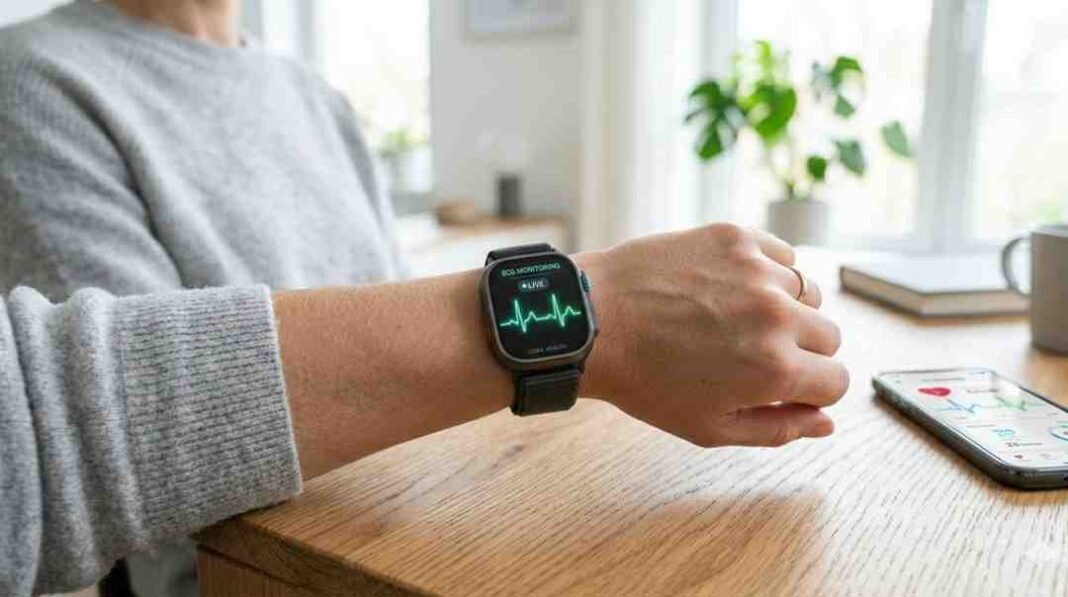

Wearable ECG monitors are cool gadgets that keep track of your heart’s electrical activity in real time. ECG stands for electrocardiogram, which is a test that shows how well the signals that control your heartbeat are working. Usually, ECGs were done in hospitals with big machines and wires. But now, you can keep an eye on your heart with small, wearable devices.You can find these devices in smartwatches, patches, chest straps, or handheld monitors. Big names like Apple and Fitbit have ECG features in their products. They’re not as spot-on as hospital equipment, but they give you data that can spot weird heart rhythms like atrial fibrillation. Catching this early can push you to see a doctor sooner.
How They Tick
Your heart sends out tiny electrical signals every time it beats. An ECG device picks up these signals with sensors that touch your skin. In wearables, these sensors are on the back of a smartwatch or in a patch on your chest. When it’s on, the device logs the electrical signals and turns them into a picture that shows your heart’s rhythm.Many wearable ECGs hook up to apps on your phone. The data is saved and you can check it out right away. Some can even make a PDF report to share with your doctor. Fancy ones use math to check for patterns and warn you if something’s off. These warnings aren’t a diagnosis, but they’re a heads-up.The big thing to know is that wearable ECGs don’t have as many leads as hospital ECG machines. Hospitals use 12 leads for a detailed look. Wearables use one or two, so it’s a simpler, but still helpful, look at your heart.
Why Keep Tabs on Your Heart?
One plus of wearable ECGs is that they track your heart all the time. Heart problems don’t always wait for a doctor’s appointment. They can pop up and vanish fast. With a wearable, you can grab data when you feel things like fluttering, dizziness, or struggle breathing.
If you’re at risk for heart issues, this can ease your mind. It can also help doctors make smarter moves. Instead of just seeing you now and then, they can look at data from days or weeks. This gives them a fuller view and can help spot things like atrial fibrillation sooner, helping avoiding strokes.Another good thing is they’re easy to use. Wearable ECGs? They’re super light and easy to use. Just tap it or put your finger on it, and you’re recording! This ease makes people more aware of their heart health, even if they feel fine.
Things to Keep in Mind
Wearable ECGs? Pretty neat, but not quite flawless. They’re best for checking your heart’s rhythm, not really diving deep into complicated heart problems.A normal reading doesn’t mean you’re totally in the clear, and a weird alert doesn’t always mean big trouble.Sometimes, false alarms can bug you out. Movement, bad skin contact, or other interference can mess with the reading. Health pros say to use the results as a starting point to talk to your doctor.Also, make sure to get devices that have been checked out by the right people. In the US, the FDA has cleared some ECG wearables for things like spotting atrial fibrillation. This doesn’t mean they replace your doctor, but it does mean the device has been tested for safety and correctness.Privacy is another point. Because these devices grab personal health info, peek at the data-sharing policies and security settings in the apps.
The Future of Wearable Heart Technology
Wearable ECGs are part of a move toward tech-based health and keeping an eye on patients from afar. As sensors get smaller and better, these devices will play a bigger part in keeping you healthy. Researchers are trying to make batteries last longer, clean up the signal, and spot more heart problems.They’re also adding smart programs to the tech. Math can chew through lots of heart data to find tiny signs that a person might miss. ECGs give doctors details to help them create plans just for you. Right now, wearable ECGs are useful for keeping track of your heart and spotting problems early. It’s a simple way to keep tabs on your heart each day. Just remember it’s not the same as seeing a doctor. But it can help you take care of your heart in an easier manner.